When I landed at Keflavik Airport, I sat beside the conveyor belt with a coffee, waiting for my bag to appear. Rows of televisions mounted on pillars lined the concourse, all tuned to the same news channel showing a volcano erupting. Bright flashes of fiery orange and red lit up the screens, and people stopped, leaning against their suitcases to watch.
I took a coach to Reykjavík as the sky turned a powdery grey. Excitement grew as the volcano came into view — from the windows, we could see sparking flames rising from an orange, smoky glow. The coach driver spoke over the loudspeakers, telling us about the history of the volcano and the disruption its new activity was causing. I felt lucky to have caught a glimpse of it — what an introduction to the Land of Fire and Ice!
In Reykjavík, I was met by my host, Byron Conway — an underwater photographer, tech diver, and co-founder of Inside Scuba. Byron has lived in Iceland for years and is the Chief Operating Officer of Arctic Adventures, one of the country’s leading adventure travel companies. He had generously offered to host me during my time in Iceland and send me on several tours with my microphones.
The plan was to create a series of short, podcast-style audio pieces to sit alongside some of the tours on the Arctic Adventures website. Instead of simply reading about a glacier hike or a snorkel trip, future tourists could also hear it — the voice of the guide, the splash of fins in clear water, the impressions and emotions of those on the tour.
I climbed into Byron’s jeep and excitedly told him about the volcano I had seen. He didn’t seem that impressed… little did I know, a big surprise was in store for me. Only a couple of hours after landing on Icelandic soil, I was taking off again — on my first helicopter ride to view the eruption from above!
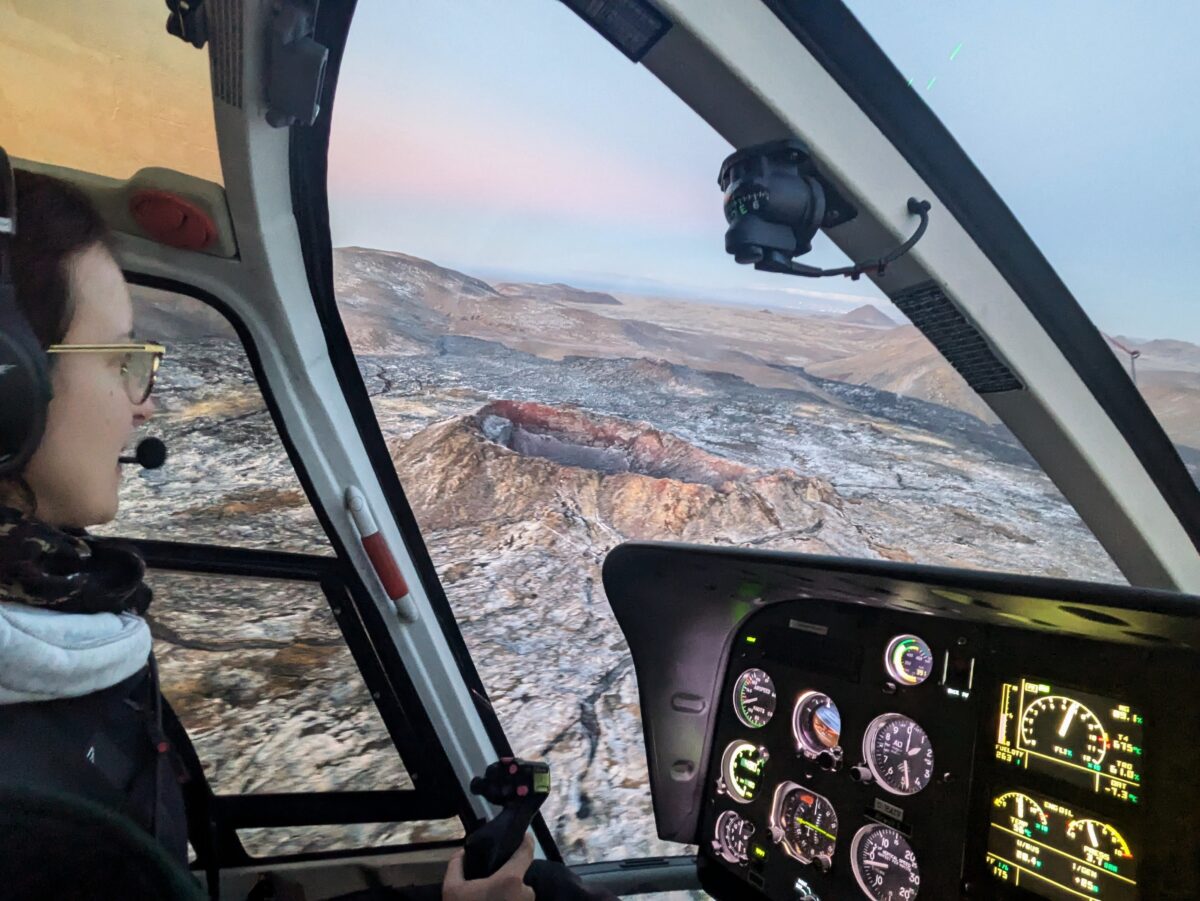
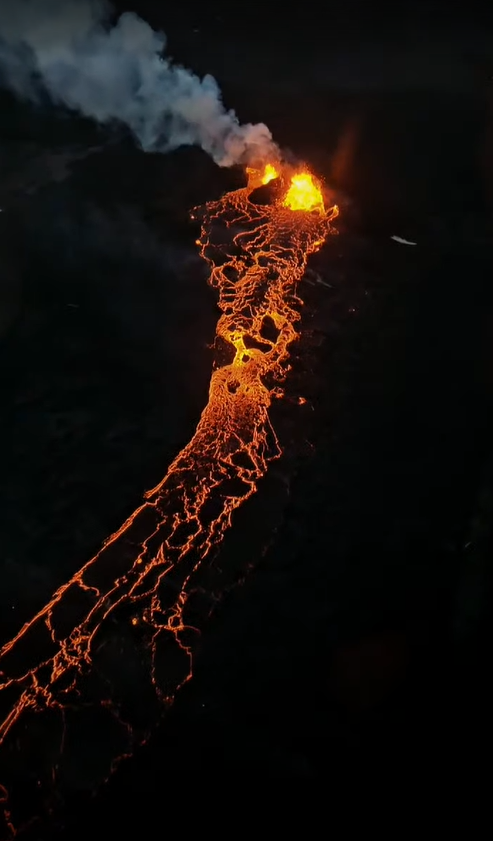
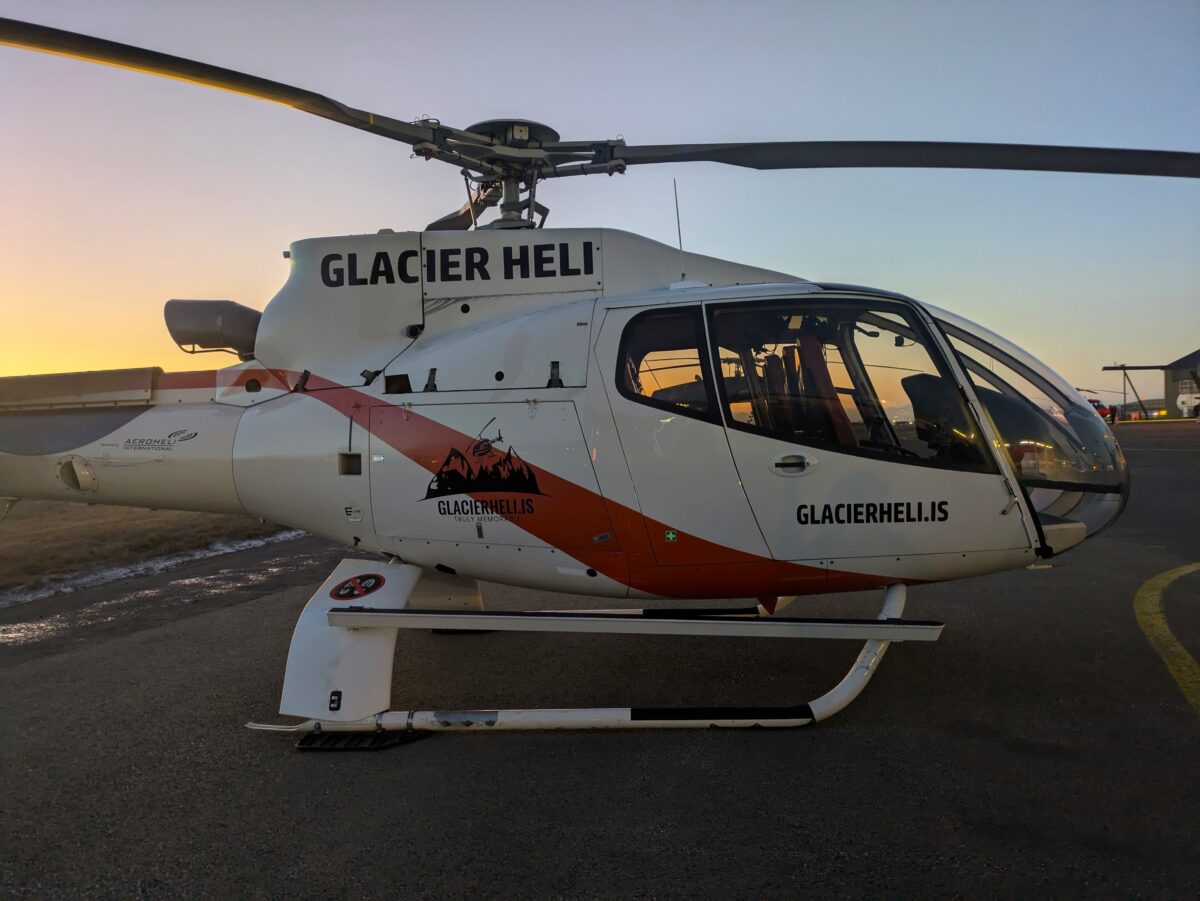
The helicopter tour was unexpected and incredible. The ride got bumpy as we flew over hot air rising from the lava pouring below us. It set the tone for the whole trip — an adventure in a country so stunning and unique. From the aurora borealis lighting up the sky in green and purple to frozen waterfalls and volcanic beaches, Iceland was full of surprises.
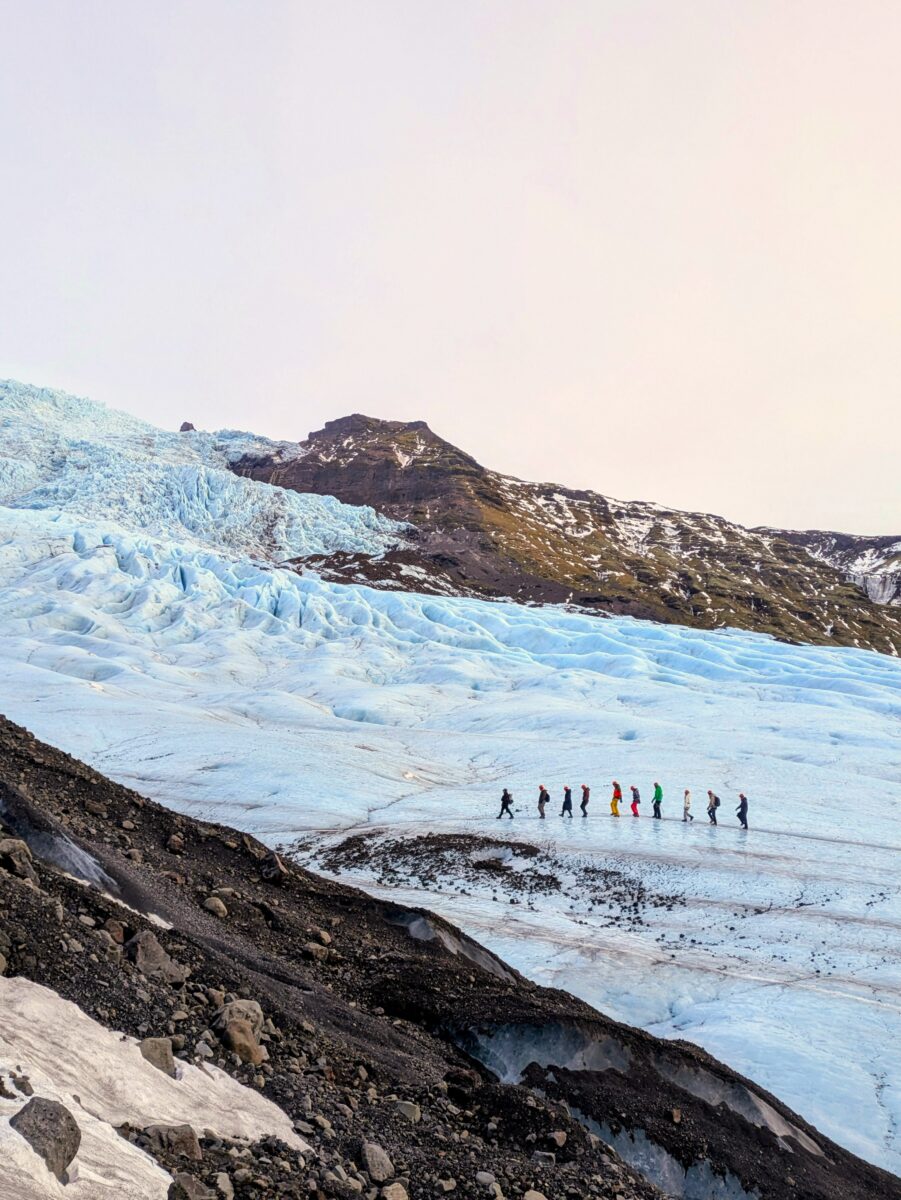
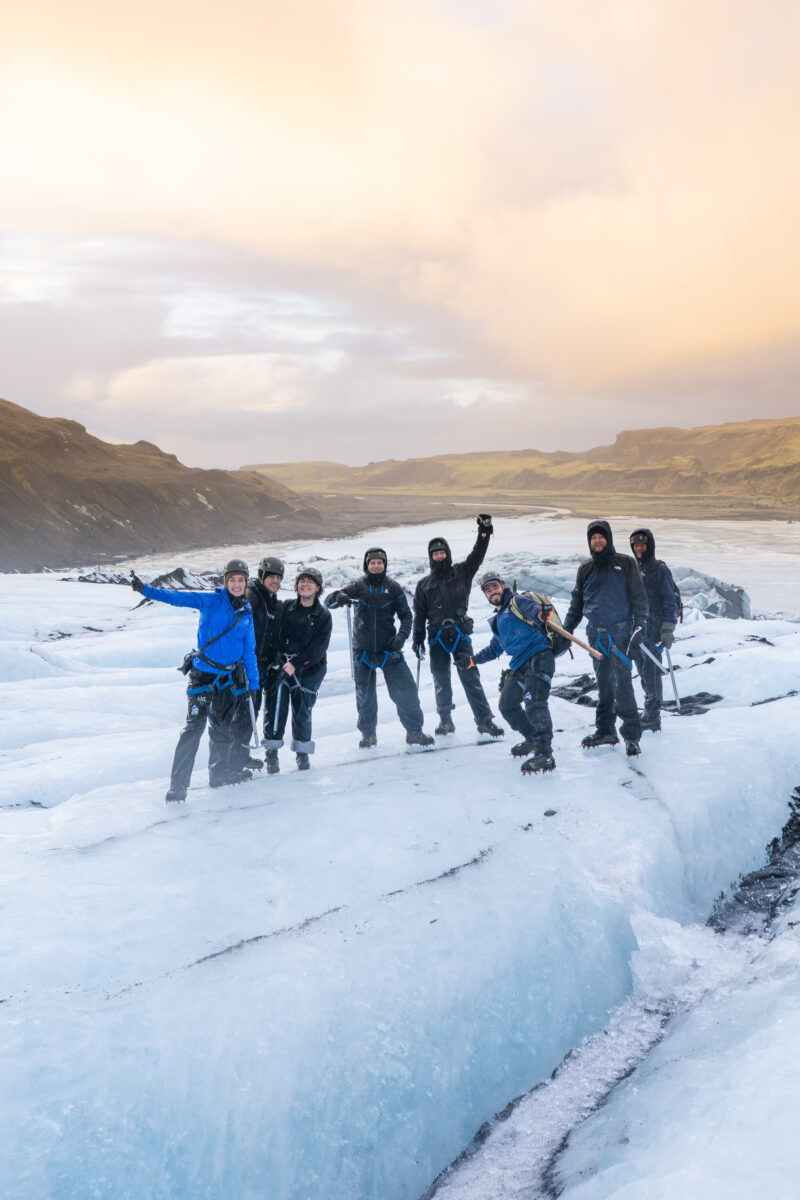
Recording at Skaftafell was a memorable day. Kitting up in the car park, I captured conversations between guests. Those who had seemed most eager now appeared slightly nervous, as the reality of walking on ice kicked in. They strapped crampons over their boots, shifting into human four-wheel-drive mode, with a growing “what have we signed up for?” sentiment — especially as dark clouds began to gather.
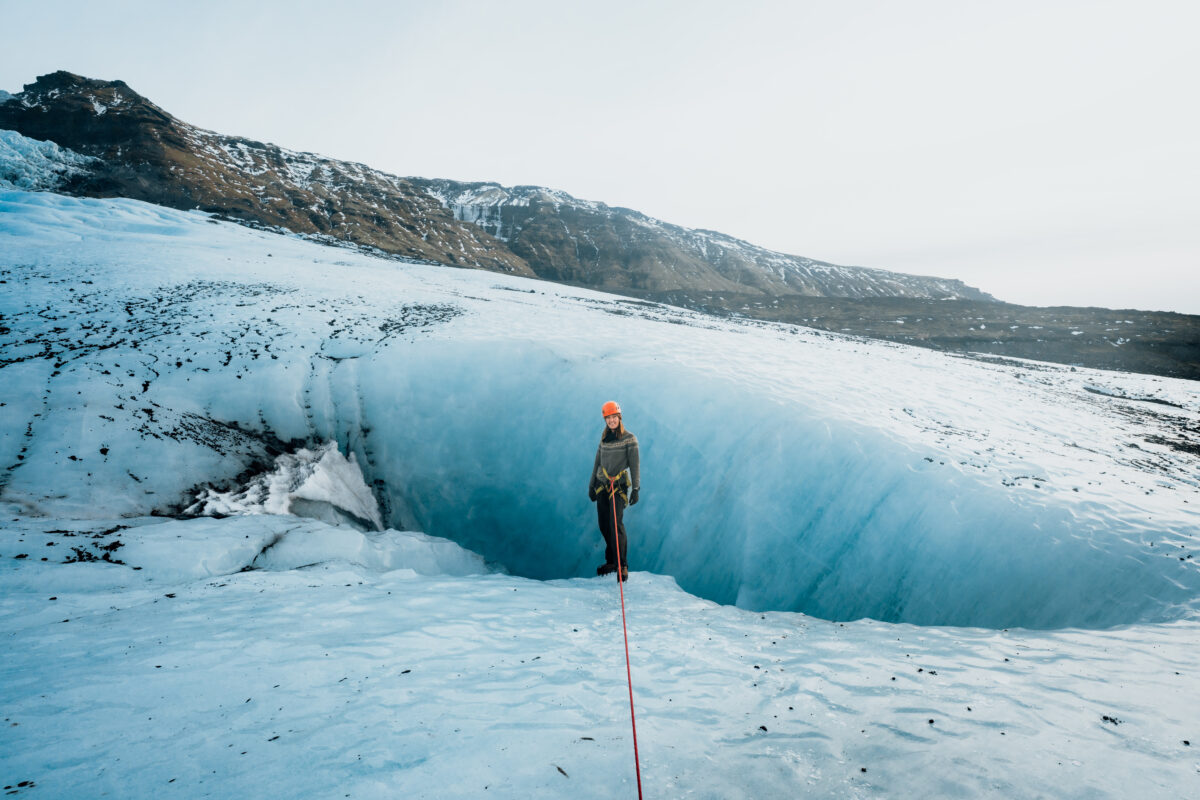
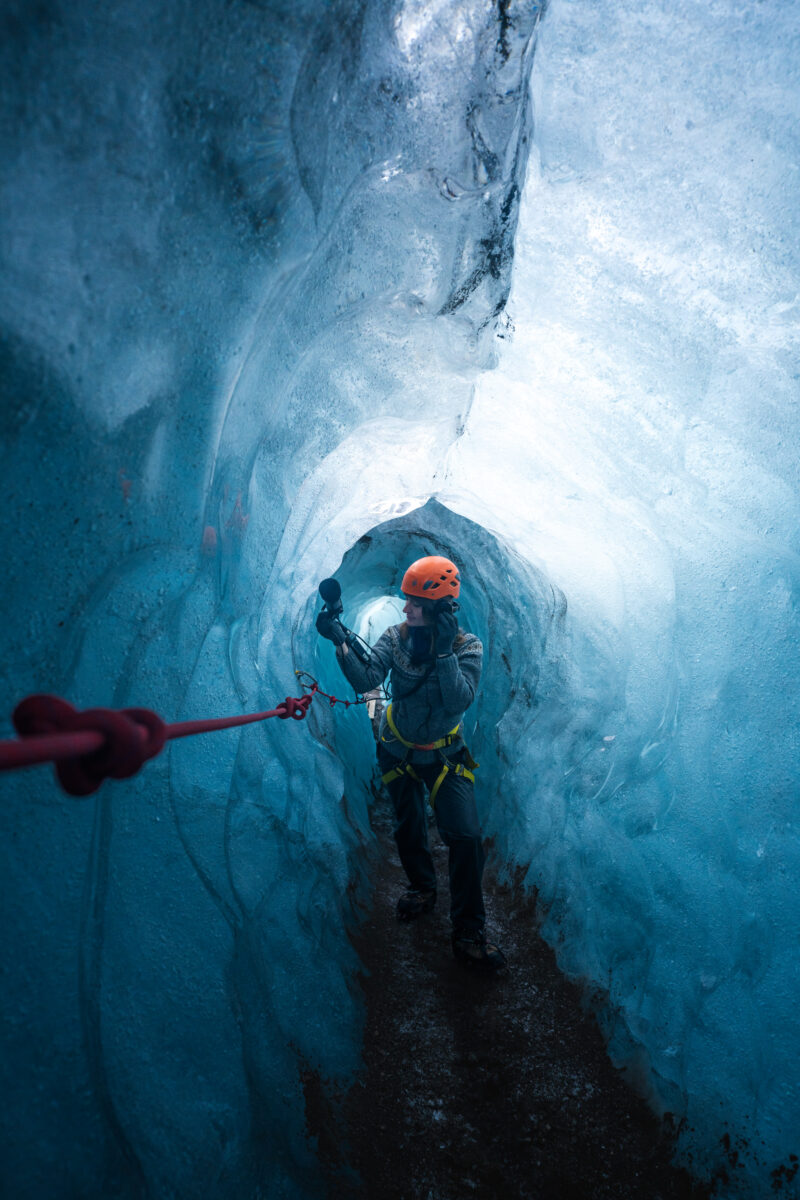
Their worries faded once we set off, overwhelmed by the striking beauty of the glacier — deep blue ice compacted over centuries, crisscrossed with pure black volcanic ash stripes. I recorded our guide, Martjn, who was incredibly knowledgeable and shared the glacier’s long history and the sobering projections of its shrinking future.
I thought about Okjökull, the glacier that received global attention when it ‘died’ in 2019, having melted due to climate change. On our current path, all of Iceland’s glaciers are expected to meet the same fate.
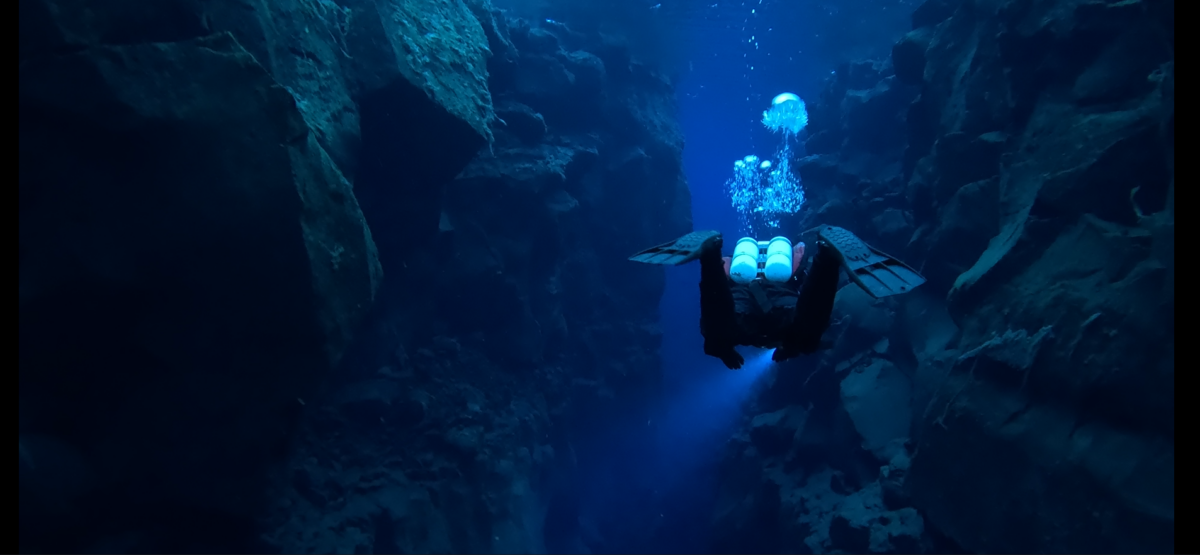
Of course, we had to fit in some diving too! Byron and I went to Silfra Fissure, where you can dive between the North American and Eurasian tectonic plates. The water was the clearest I had ever seen — it seemed there was no limit to how far you could see. The dive itself was peaceful, with towering rocks cradling you on either side. This 4°C glacier water had taken 30 years to filter through volcanic rock to reach the fissure.
Deceptively still, the plates are actually moving apart by 2 cm a year. Upon surfacing, we were welcomed back by sleet and wind — I have never gotten out of my drysuit and back into a car so quickly!
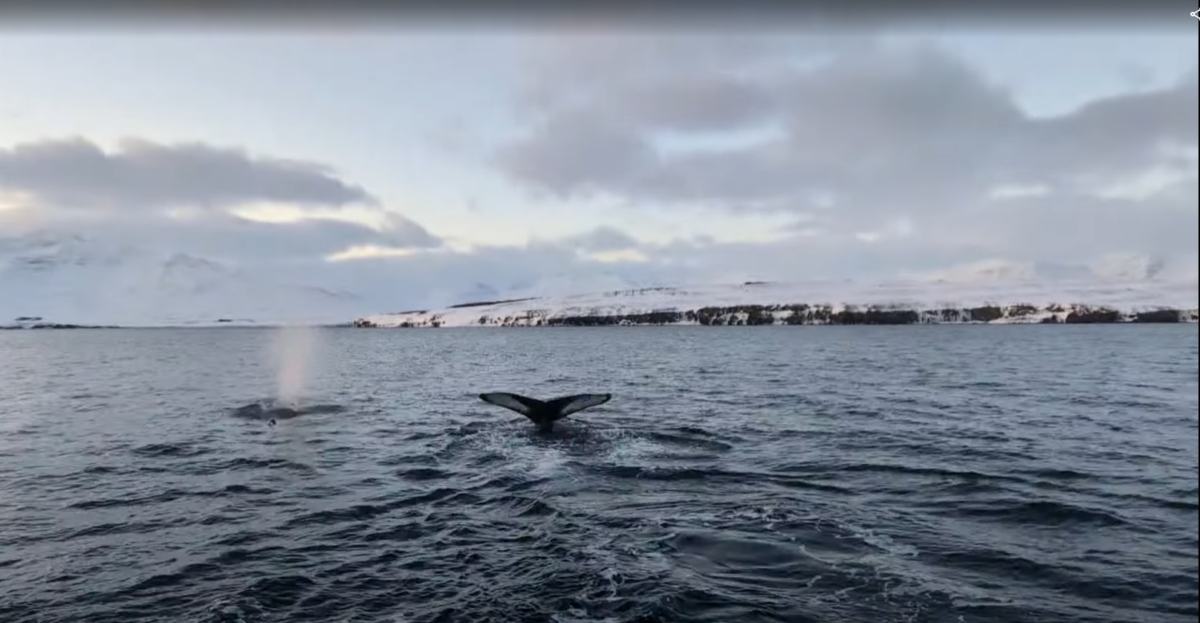
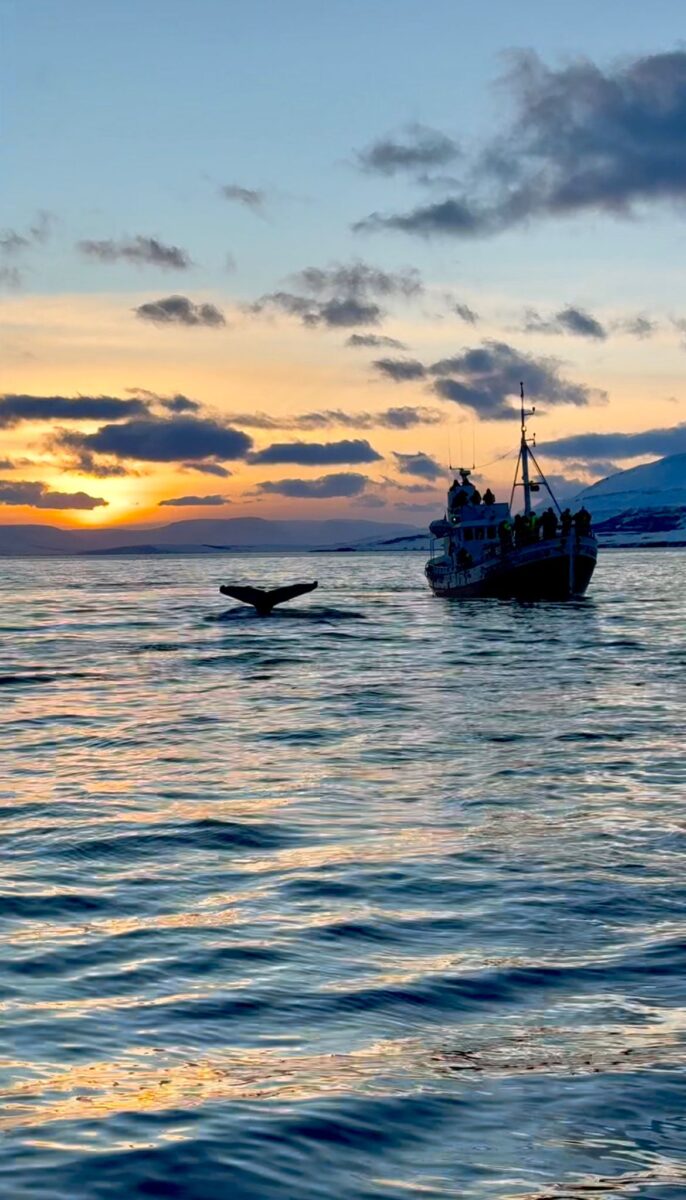
Húsavík is the most renowned spot for whale watching in Iceland, and where we saw over 10 humpbacks feeding in the fjord. Gentle giants, these magnificent animals swam slowly, their fan-like tails splashing as they dove beneath the surface.
A global ban on commercial whaling was introduced in 1986, and it has been hugely successful. Despite challenges like dwindling food sources due to overfishing and krill harvesting, many whale species have recovered to near pre-whaling numbers, even those once close to extinction.
Today, Iceland, Norway, and Japan are the only countries that still permit whaling. Iceland had authorised the hunting of 209 fin whales for the summer season, but for the second year in a row, the 2025 hunting season has been cancelled. The government stated that it is not currently not economically viable, given the changing Japanese market — the destination for nearly all of the whale meat harvested.
Seeing these majestic creatures up close was unforgettable. I was happy to support whale-watching tourism — a brilliant way to advocate for whales and show that they are far more valuable alive than dead.

I am editing my Iceland audio and can’t wait to see it up on the Arctic Adventures website!
Thank you so much to Byron Conway for your enormous generosity in hosting me in Iceland and all of your help with arrangements.
Thank you to my coordinators Jade, Saeed, Rich & Jim for guiding me through this journey. To the Our World Underwater Scholarship Society for this wonderful opportunity. Thank you to my sponsors: Fourth Element, SUUNTO, Aqualung, Apex, PADI, DAN, and GoPro for your support.
